
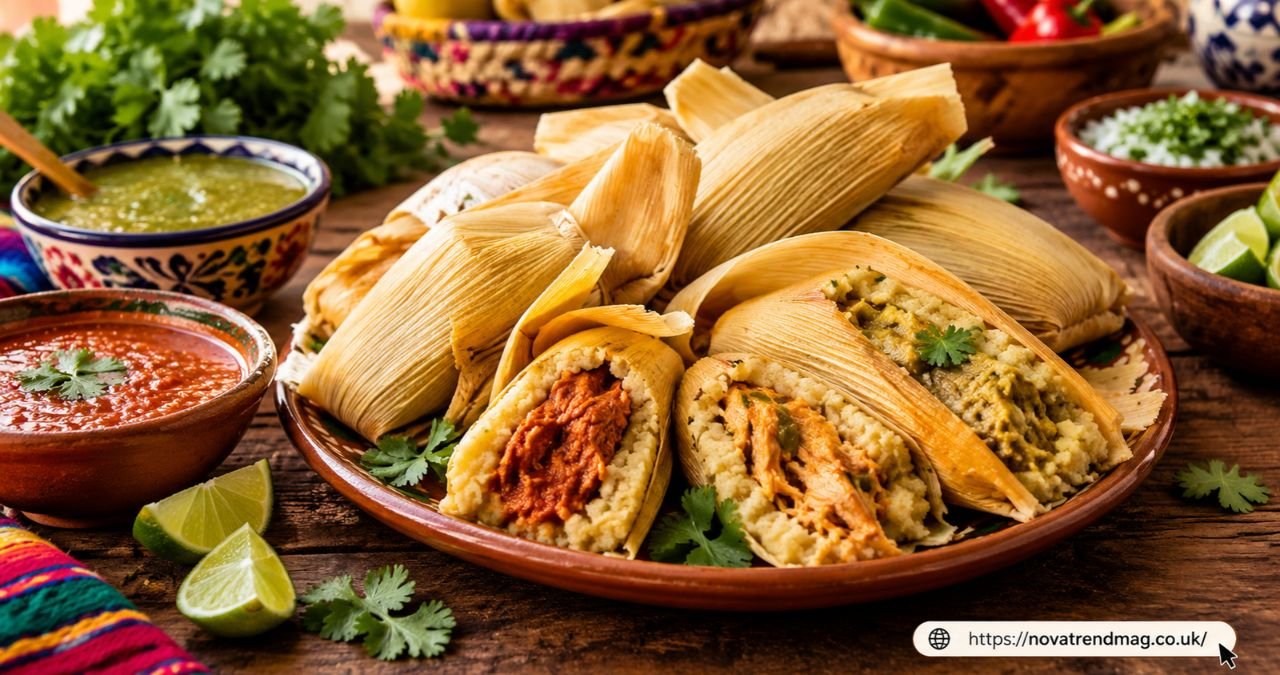

Searching for the best tamales near me can lead to a surprisingly rewarding food adventure. Tamales are much more than a simple steamed dish. They represent generations of culinary tradition, regional flavors, family recipes, celebrations, and the creativity of cooks who have perfected the art of preparing masa and filling it with delicious ingredients. Whether you are craving traditional pork tamales, chicken tamales, vegetarian versions, sweet tamales, or a regional specialty, finding a great local option can turn an ordinary meal into something memorable.
The popularity of tamales has grown far beyond the communities where they originated. Today, restaurants, food trucks, markets, family-owned kitchens, bakeries, and specialty food businesses offer different interpretations of this classic dish. For someone searching for tamales nearby, the challenge is not simply finding a place that sells them. The real goal is finding tamales that have the right texture, balanced seasoning, flavorful filling, and authentic character.
This guide explores what makes tamales special, how the traditional dish developed, what to look for when choosing a local tamale spot, the most popular varieties, ordering tips, current food trends, and common questions people have when searching for authentic tamales.
What Are Tamales?
Tamales are a traditional dish made primarily from masa, a dough usually prepared from specially treated corn. The masa is combined with ingredients such as seasonings, broth, fat, or other components before being wrapped around a savory or sweet filling. The filled dough is commonly enclosed in a corn husk or another natural wrapper and then steamed until it reaches the desired consistency.
The beauty of tamales comes from their versatility. Although the basic concept remains recognizable, recipes can differ dramatically from one region, family, or restaurant to another. Some tamales contain slow-cooked meats and rich sauces, while others feature cheese, vegetables, beans, fruit, cinnamon, or other sweet ingredients.
A well-prepared tamale should have a tender, flavorful masa that complements its filling rather than overpowering it. The wrapper also plays an important role because steaming helps create the characteristic texture associated with traditional tamales.
The History Behind Traditional Tamales
Tamales have a long culinary history connected to Indigenous cultures of Mesoamerica. Corn was central to many ancient food traditions, and preparations involving masa became an important part of everyday cooking as well as ceremonies and community gatherings.
Over generations, tamale-making developed into a highly adaptable culinary tradition. Different communities created their own combinations of masa, fillings, sauces, wrappers, and cooking methods. This is one reason why searching for authentic tamales can reveal such a wide variety of flavors.
Tamales were also practical. Their wrapped design made them relatively convenient to transport, which helped make them useful for journeys, gatherings, celebrations, and communal events. Their preparation could involve several people working together, turning tamale-making into both a cooking activity and a social tradition.
Today, tamales remain closely connected with family gatherings and cultural celebrations. Many recipes are passed from one generation to another, sometimes with very little written documentation. Instead, cooks learn by watching relatives prepare masa, season fillings, fold wrappers, and steam the finished tamales.
Why People Search for the Best Tamales Near Me
The phrase “near me” reflects a very specific type of food-search intent. People are usually not looking for a general explanation of tamales. They want to discover a place where they can actually enjoy them.
Location matters because tamales can taste completely different depending on who prepares them. A family-owned restaurant may use a recipe that has been developed over decades, while a modern food truck might create a contemporary interpretation with unexpected fillings.
Convenience is another important factor. Freshly prepared tamales are often best enjoyed soon after cooking. When people search for a nearby tamale restaurant or food business, they may be looking for a quick lunch, dinner, weekend meal, family order, party catering, or a comforting food option.
The local search experience also allows customers to discover smaller businesses that may not have the visibility of major restaurant chains. Some of the most memorable tamales can come from modest kitchens, neighborhood restaurants, local markets, and independent food vendors.
What Makes a Tamale Truly Good?
Finding a place that sells tamales is easy in many areas, but identifying a truly excellent tamale requires paying attention to several details.
The Masa Makes a Major Difference
Masa is the foundation of a tamale. If the masa is dry, dense, overly heavy, or bland, even a delicious filling may not be enough to create a satisfying dish.
High-quality masa should generally have a tender texture and enough flavor to complement the filling. It should hold together without becoming tough or excessively sticky. Proper steaming is also important because the cooking process helps determine the final texture.
The Filling Should Be Flavorful
A great tamale should have a filling that is properly seasoned and distributed throughout the masa. Whether the filling is shredded pork, chicken, beef, cheese, vegetables, beans, or another ingredient, it should contribute meaningful flavor.
Slow-cooked fillings can be especially appealing because longer cooking allows spices, sauces, and natural flavors to develop. A good filling should not feel like an afterthought hidden inside the masa.
Sauce Can Transform the Experience
Many tamales are served with sauces that add another layer of flavor. Depending on the style, this could include a red chili sauce, green sauce, mole-inspired preparation, tomato-based sauce, or another regional condiment.
The best sauce should complement rather than overwhelm the tamale. Heat can be enjoyable, but strong spiciness should not completely hide the flavors of the masa and filling.
Popular Types of Tamales to Try
One reason the search for local tamales can be so interesting is the enormous variety available.
Pork Tamales
Pork tamales are among the most recognizable varieties. Tender pork is often combined with a seasoned chili-based sauce before being wrapped in masa and steamed.
The richness of pork works particularly well with mildly spicy or deeply flavored sauces. A carefully prepared pork tamale can have layers of savory flavor without becoming excessively greasy.
Chicken Tamales
Chicken tamales offer a lighter alternative while still providing plenty of flavor. Shredded chicken is commonly paired with green or red sauces and surrounded by soft masa.
They are particularly popular for family meals because their flavor tends to appeal to a wide range of preferences.
Beef Tamales
Beef tamales can be richer and more robust. Slow-cooked beef combined with spices and sauce creates a filling with substantial flavor.
When prepared properly, beef should remain tender rather than dry. The masa should provide a mild contrast to the stronger beef filling.
Cheese and Vegetarian Tamales
Vegetarian tamales have become increasingly popular as more diners look for meat-free choices. Cheese, peppers, beans, vegetables, herbs, and other plant-based ingredients can create satisfying fillings.
These varieties demonstrate how adaptable tamales are. They can remain connected to traditional preparation techniques while accommodating modern dietary preferences.
Sweet Tamales
Not every tamale is savory. Sweet tamales can include ingredients such as fruit, cinnamon, sugar, chocolate, nuts, or other sweet flavors.
They are often enjoyed as desserts or breakfast treats and can provide an entirely different experience from savory tamales.
How to Find the Best Tamales Near You
When searching for excellent tamales nearby, it helps to look beyond a simple restaurant name.
Start by considering businesses known for traditional or regional food. Restaurants that specialize in Mexican or Latin American cuisine may offer tamales regularly, while some smaller businesses may prepare them only on particular days.
Customer reviews can also reveal useful patterns. Instead of focusing only on overall ratings, look for comments about masa texture, filling quality, freshness, portion size, seasoning, and consistency.
Photos can provide another useful clue. Fresh tamales should generally look carefully prepared rather than excessively dry or poorly shaped. However, appearance alone cannot guarantee flavor, so it is best to consider several sources of information.
Another useful strategy is asking local food lovers for recommendations. Personal suggestions can sometimes reveal small businesses that do not receive much attention in mainstream restaurant searches.
Freshness Matters When Ordering Tamales
Freshness is one of the most important factors when choosing tamales. Since they are traditionally steamed, freshly cooked tamales often have a softer and more pleasant texture.
Some restaurants prepare large batches, while others make tamales in smaller quantities throughout the day. If you want the freshest possible experience, it can be useful to ask when the latest batch was prepared.
Tamales can also be reheated successfully, which makes them convenient for takeout. Steaming is generally a good way to warm them because it helps preserve moisture.
Why Local Tamale Restaurants Are Worth Exploring
Independent restaurants and family-run food businesses can offer something that standardized chains often cannot: personality.
A local tamale shop may use a recipe developed by someone’s grandmother or family member. Another restaurant may specialize in a specific regional style. Some businesses may make tamales by hand every morning, while others focus on larger catering orders.
Exploring these local options can also support small food businesses and preserve culinary traditions. Every time customers choose authentic regional food, they contribute to the continued popularity of traditional cooking methods.
Tamales for Breakfast, Lunch, or Dinner
Tamales are remarkably flexible when it comes to meal times. In many communities, they can be enjoyed in the morning with coffee or another breakfast beverage.
At lunch, tamales can be paired with beans, rice, salad, vegetables, or other side dishes. For dinner, they can become part of a larger meal featuring sauces, fresh toppings, and traditional accompaniments.
Their versatility is one reason tamales remain popular across different generations.
Tamales for Parties and Family Gatherings
Tamales are especially suitable for gatherings because they can be prepared in large quantities.
Family celebrations, holidays, birthdays, community events, office meals, and weekend gatherings can all benefit from a large tamale order. Different fillings can be selected to accommodate different preferences.
If you are ordering for a group, it is worth asking about minimum quantities, preparation times, available fillings, and whether advance orders are required. Popular local businesses can sell out quickly during busy periods.
The Growing Popularity of Tamales
The popularity of tamales continues to expand as diners become more interested in authentic regional foods and traditional cooking.
Food discovery through social media has also helped introduce tamales to new audiences. Attractive photos and short cooking videos can make traditional dishes more visible to people who may never have tried them before.
At the same time, chefs are experimenting with modern fillings and presentations. While traditional tamales remain extremely popular, contemporary versions demonstrate that the basic technique can support creative culinary ideas.
Traditional Tamales Versus Modern Tamales
Traditional tamales usually focus on established combinations of masa, meat, vegetables, sauces, and seasonings. Their appeal comes from familiarity and cultural authenticity.
Modern tamales may introduce unusual fillings, alternative ingredients, fusion flavors, or different presentation styles. These innovations can be exciting, particularly for adventurous diners.
Neither approach is automatically better. The best choice depends on what you are looking for. Someone searching for a taste of tradition may prefer a family recipe, while another customer might enjoy experimenting with a creative new filling.
How Much Should You Order?
The ideal quantity depends on whether tamales are being served as a snack, individual meal, or part of a larger gathering.
For a personal meal, a small serving may be enough when combined with sides. If tamales are the main food at a gathering, more will naturally be required.
Because tamales can be filling, it is often useful to consider what else will be served. Rice, beans, vegetables, sauces, drinks, and desserts can all affect the amount needed.
What to Ask Before Ordering
If you are trying a new local tamale restaurant, a few simple questions can help you make a better choice.
You may want to know which fillings are available that day, whether the tamales are made fresh, what type of sauce accompanies them, and whether vegetarian or sweet options are available.
For larger orders, preparation time becomes particularly important. Handmade tamales can require considerable effort, so advance ordering may be necessary.
Common Mistakes People Make When Searching for Tamales
One common mistake is choosing a restaurant based only on the overall rating. A highly rated restaurant may still specialize in other dishes rather than tamales.
Another mistake is ignoring reviews that specifically mention tamales. A restaurant may be excellent overall but have inconsistent quality for one particular menu item.
People also sometimes assume that the most expensive option is automatically the best. Price can reflect ingredients, location, portion size, or business costs, but it does not necessarily guarantee authenticity or superior flavor.
How to Tell if Tamales Are Fresh
Fresh tamales usually have a pleasant aroma and a soft but structured masa. The wrapper should separate reasonably well from the cooked dough when the tamale has been prepared correctly.
The filling should smell appetizing and taste properly seasoned. Excessively dry masa, unpleasant odors, or a hard texture can indicate that the tamales have been stored too long or reheated poorly.
However, different regional styles naturally have different textures, so it is important not to judge every tamale by exactly the same standard.
The Role of Family Recipes
Family recipes are one of the most fascinating aspects of tamale culture. Two cooks can use similar ingredients and still produce noticeably different results.
Small changes in masa preparation, seasoning, cooking time, filling ratios, and steaming can influence the final product.
This personal element is part of what makes local tamales so special. You are not simply buying food; you may be experiencing a recipe shaped by years of family tradition.
Tamales and Cultural Tradition
Tamales remain an important part of cultural identity for many communities. Their preparation often brings people together, especially during holidays and major family events.
The process can be time-consuming because preparing fillings, masa, wrappers, and steaming equipment requires coordination. That effort makes tamales particularly meaningful when they are prepared for loved ones.
Their continued popularity shows how traditional foods can survive and evolve while remaining connected to their origins.
Current Tamale Trends
Modern food culture has introduced several new directions for tamales. Vegetarian and plant-based fillings are becoming more common, while chefs continue to experiment with new flavor combinations.
Some restaurants are also offering premium ingredients or fusion-inspired variations. Customers may encounter tamales influenced by other culinary traditions while still using the basic masa-and-wrapper technique.
Another trend is increased interest in handmade and locally prepared food. Consumers often want to know where ingredients come from and how dishes are produced.
Despite these changes, classic pork, chicken, beef, cheese, and sweet tamales remain firmly at the center of the category.
Expert Perspective: What Should You Prioritize?
When choosing among several local options, flavor balance should be more important than presentation.
A beautiful tamale is appealing, but the real test comes from the relationship between masa, filling, seasoning, and texture. Experts and experienced diners often pay close attention to whether the masa supports the filling without dominating it.
Consistency is another sign of quality. A restaurant that regularly produces flavorful tamales is usually more dependable than a place that occasionally produces an excellent batch but lacks consistency.
Why Searching Locally Can Lead to Better Discoveries
The phrase best tamales near me is ultimately about discovery. It encourages people to explore nearby food businesses rather than relying only on familiar chains.
Local searches can reveal hidden culinary gems, neighborhood favorites, specialty restaurants, food trucks, markets, and small businesses with loyal customers.
Trying different places can also help you understand the regional differences in tamales. One restaurant might specialize in spicy fillings, another might be known for soft masa, and another might have exceptional sweet tamales.
The search itself becomes part of the culinary experience.
Frequently Asked Questions About the Best Tamales Near Me
What should I look for when searching for the best tamales near me?
Look for places that have strong customer feedback specifically about tamales, fresh preparation, flavorful fillings, well-seasoned masa, and consistent quality. Local recommendations can also be very helpful.
Are fresh tamales better than refrigerated tamales?
Freshly prepared tamales often have a softer texture and more vibrant flavor, although properly stored and reheated tamales can still be delicious.
What is the most popular tamale filling?
Pork and chicken are among the most widely recognized fillings, but popularity varies by region and restaurant. Beef, cheese, beans, vegetables, and sweet fillings are also common.
Can I order tamales for a large group?
Yes. Many restaurants and specialty food businesses accept larger orders, although advance notice may be required because handmade tamales take time to prepare.
Are vegetarian tamales available?
Many modern tamale restaurants offer vegetarian options using ingredients such as cheese, beans, vegetables, peppers, or other plant-based fillings.
Are sweet tamales worth trying?
Absolutely. Sweet tamales offer a completely different flavor profile and can include fruit, cinnamon, chocolate, sugar, or other dessert-style ingredients.
How should tamales be reheated?
Steaming is commonly used because it helps maintain moisture and gives the masa a pleasant texture. Other reheating methods can work, but care should be taken to avoid drying them out.
Why do tamales vary so much from one restaurant to another?
Tamales are strongly influenced by regional traditions and family recipes. Differences in masa preparation, fillings, sauces, seasoning, wrappers, and cooking methods can create very different results.
Final Thoughts on Finding the Best Tamales Near Me
Finding the best tamales near me is about more than choosing the closest restaurant. The best experience comes from discovering tamales that combine quality masa, flavorful fillings, balanced seasoning, fresh preparation, and authentic culinary character.
From traditional pork and chicken tamales to vegetarian creations and sweet varieties, there is an enormous range of flavors to explore. Their long history, cultural importance, adaptability, and comforting taste have helped tamales remain popular across generations.
When searching locally, pay attention to freshness, customer experiences, preparation methods, filling choices, and the reputation of the business. Do not be afraid to try more than one place because comparing different tamales is one of the best ways to discover your personal favorite.
Ultimately, the perfect tamale is the one that feels satisfying from the first bite to the last. Whether you are looking for a quick meal, a traditional family dish, a weekend treat, or food for a celebration, exploring local tamales can introduce you to flavors, recipes, and traditions that make the experience far more meaningful than an ordinary restaurant meal.