
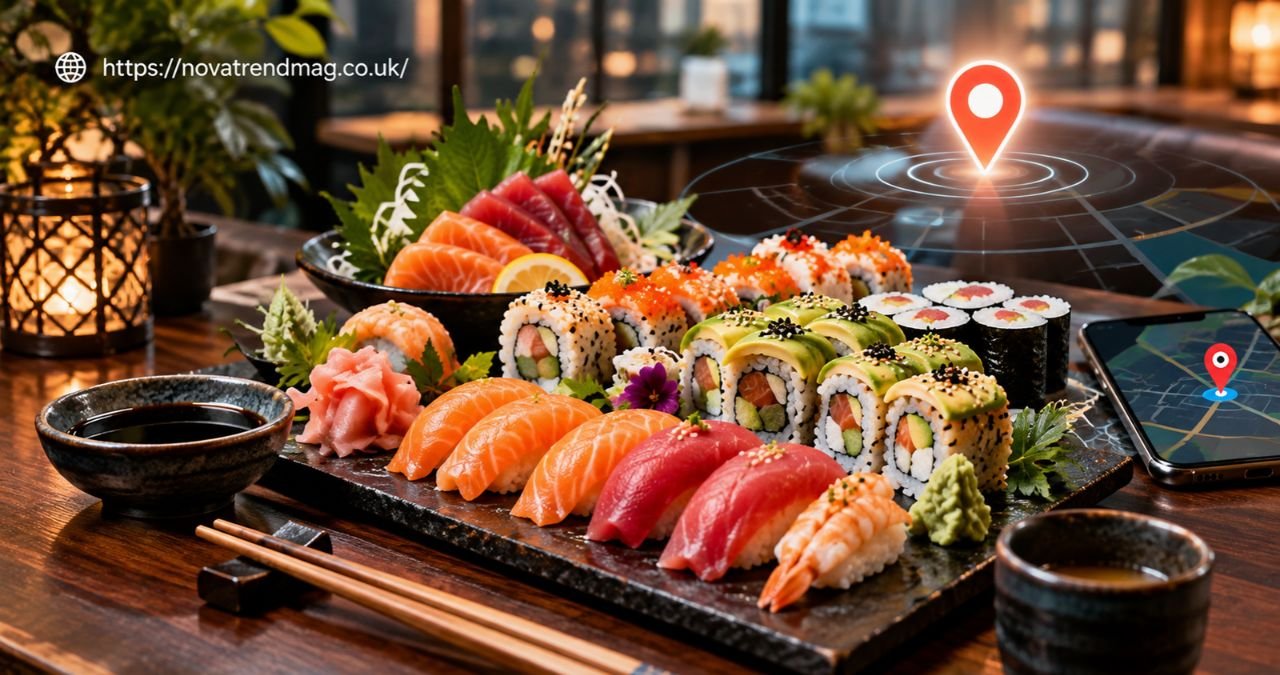

Finding the best sushi near me is about much more than choosing the restaurant that appears first in a search result. Great sushi combines fresh ingredients, skilled preparation, thoughtful presentation, balanced flavors, and an atmosphere that makes the meal memorable. Whether you are craving delicate sashimi, classic nigiri, creative sushi rolls, or a complete Japanese dining experience, knowing what to look for can make it much easier to find a restaurant that genuinely matches your expectations.
Sushi has become one of the world’s most recognizable Japanese foods, yet every sushi restaurant can offer a very different experience. Some specialize in traditional Japanese techniques, while others focus on modern rolls, fusion flavors, generous portions, or affordable casual dining. When searching for the best sushi near me, understanding these differences helps you look beyond ratings and choose a place based on quality, freshness, menu variety, service, value, and personal preference.
What Makes a Sushi Restaurant Truly Great?
A great sushi restaurant usually begins with the quality of its ingredients. Sushi is a deceptively simple food because there are often only a few components on the plate. Rice, seafood, vegetables, seasoning, and sauce need to work together without one element overpowering another. Because the preparation is relatively minimal, poor ingredients or careless technique can become immediately noticeable.
Freshness is particularly important when seafood is being served raw. Professional sushi restaurants take food handling, storage, temperature control, and preparation seriously. The appearance and texture of fish can also provide useful clues about quality. Fresh seafood should generally look clean and appealing rather than dull, excessively dry, or poorly handled.
The rice deserves just as much attention as the fish. Sushi rice is traditionally seasoned with a carefully balanced mixture that gives it a subtle combination of sweetness, acidity, and saltiness. Properly prepared rice should hold together without becoming hard, mushy, or overly compressed. In traditional sushi, rice is not simply a filler; it is an essential part of the overall flavor.
Another important factor is technique. Experienced sushi chefs understand how different ingredients should be sliced, shaped, seasoned, and paired. The thickness of a fish slice, the temperature of the rice, the amount of pressure used when forming nigiri, and the balance between rice and seafood can all affect the final experience.
Understanding the Different Types of Sushi
When people search for the best sushi near me, they may have completely different ideas about what they want to eat. Someone looking for traditional nigiri may prefer a restaurant that emphasizes Japanese craftsmanship, while someone searching for a fun dinner may want creative rolls covered with sauces and toppings.
Nigiri is one of the simplest and most recognizable forms of sushi. It generally consists of a small portion of seasoned sushi rice topped with a slice of seafood or another ingredient. Because there are relatively few components, nigiri allows the quality of the fish and rice to become the main focus.
Sashimi is technically different from sushi because it does not include sushi rice. Instead, it consists primarily of carefully cut raw seafood or other ingredients. People who enjoy the natural flavor and texture of high-quality fish may particularly appreciate sashimi.
Maki refers to rolled sushi, usually prepared with rice and fillings wrapped in seaweed. Maki can range from straightforward traditional combinations to elaborate modern creations containing vegetables, cooked seafood, raw fish, sauces, and additional toppings.
Inside-out rolls, often associated with modern American-style sushi, place rice on the outside of the seaweed. These rolls helped sushi become more approachable to diners who were initially unfamiliar with traditional Japanese preparations.
There are also specialty rolls that combine ingredients and techniques from different culinary traditions. These can be ideal for people who prefer bold flavors, spicy sauces, crunchy toppings, tempura elements, or cooked ingredients.
How to Search for the Best Sushi Near Me
The phrase best sushi near me represents strong local search intent. Someone using it is usually not looking for a general history of sushi. They want to find somewhere they can potentially visit, order from, or consider for a meal.
The first step is deciding what kind of sushi experience you want. A casual lunch requires different considerations from an anniversary dinner or a special occasion. If you want traditional sushi, look for restaurants known for nigiri, sashimi, omakase-style dining, and classic Japanese preparation. If you prefer a relaxed meal, a casual sushi restaurant with a broad menu may be more suitable.
Reviews can also be helpful, but they should be interpreted carefully. A restaurant with hundreds of positive reviews may be popular for reasons that do not match your personal preferences. Some customers prioritize low prices, while others care more about premium seafood, atmosphere, service, or presentation.
Photos can provide additional clues. Restaurant photographs may show the condition of the dining room, presentation of dishes, portion sizes, and overall style. However, photographs should not be the only basis for judging food quality.
The menu is another valuable source of information. A restaurant offering only a handful of sushi options may have a very focused concept, while a large menu might provide more choices for groups with different preferences. Neither approach is automatically better.
Why Sushi Has Become So Popular
Sushi’s global popularity is one of the most interesting developments in modern food culture. What was once strongly associated with Japanese cuisine has become a familiar choice in cities around the world.
One reason for this popularity is variety. Sushi can appeal to people with very different tastes. A diner may choose raw salmon, tuna, shrimp, cooked crab, grilled eel, avocado, cucumber, tofu, or vegetable-based combinations.
Sushi can also be visually appealing. Colorful ingredients, carefully arranged pieces, sauces, garnishes, and elegant plating make it naturally suited to modern food culture and social media photography.
Convenience has also played a major role. Sushi can be served in restaurants, ordered for takeout, prepared for lunch, or shared during social gatherings. Many restaurants offer combination platters that make it easier for customers to sample several varieties at once.
Another reason for sushi’s popularity is the perception of freshness and lightness. Compared with some heavier restaurant meals, sushi can feel relatively delicate. The actual nutritional profile varies considerably depending on ingredients, sauces, fried components, and portion sizes, but the wide range of options makes sushi adaptable to different eating preferences.
Traditional Sushi vs Modern Sushi
One of the most useful comparisons when choosing a sushi restaurant is traditional sushi versus modern or fusion sushi.
Traditional Japanese sushi tends to emphasize simplicity, ingredient quality, rice preparation, and technique. A piece of nigiri might contain only seasoned rice and a carefully prepared slice of fish. The goal is often to highlight the natural characteristics of the ingredients.
Modern sushi can take a much more experimental approach. Restaurants may combine ingredients from different culinary traditions, introduce spicy sauces, use fried toppings, create oversized rolls, or develop signature combinations that are unique to the restaurant.
Neither style is inherently superior. The best option depends on what you enjoy.
Someone who appreciates subtle flavors and traditional craftsmanship may prefer a classic sushi bar. Someone who enjoys rich, spicy, crunchy, or sweet flavors may have more fun exploring creative rolls.
What to Look for in a Sushi Menu
A good sushi menu should be understandable while still offering enough variety to satisfy different diners. Pay attention to whether the menu clearly explains ingredients and whether the restaurant identifies raw, cooked, vegetarian, or spicy selections.
A balanced menu may include nigiri, sashimi, traditional rolls, specialty rolls, vegetarian choices, appetizers, soups, and other Japanese dishes. This variety can be especially useful when dining with a group.
If you are unfamiliar with sushi, descriptions can help you understand what you are ordering. Ingredients such as salmon, tuna, shrimp, eel, crab, scallop, avocado, cucumber, and tempura are common in many sushi menus, but preparation styles can vary significantly.
The presence of an omakase option can also be interesting. Omakase roughly represents the idea of leaving the selection to the chef. Rather than choosing every individual piece, diners allow the chef to determine the progression of the meal based on available ingredients and the restaurant’s style.
How Freshness Affects the Sushi Experience
Freshness is one of the most important factors in sushi quality. Seafood intended to be eaten raw requires careful handling from sourcing through storage and preparation.
Quality sushi restaurants generally maintain strict standards for refrigeration and food preparation. Professional chefs also understand how different types of seafood behave and how their texture and flavor change over time.
Fresh fish should have an appealing appearance and appropriate texture. While customers should not attempt to diagnose food safety simply by looking at a plate, obvious signs of poor handling should never be ignored.
Freshness also affects flavor. High-quality fish can have a clean, distinctive taste, while lower-quality ingredients may taste overly fishy or have an unpleasant texture.
The Importance of Sushi Rice
It is easy for diners to focus entirely on the fish, but sushi rice is fundamental to a successful sushi experience.
Proper sushi rice should have the right balance between firmness and softness. It should hold its shape while remaining pleasant to eat. The seasoning should complement the fish instead of overwhelming it.
Temperature can also influence the experience. Sushi rice that is excessively cold, dry, hard, or poorly seasoned may make otherwise good ingredients less enjoyable.
This is one reason experienced sushi enthusiasts often pay attention to the rice when evaluating a restaurant. A restaurant that consistently prepares excellent rice demonstrates attention to the fundamental details of sushi making.
Choosing Sushi for Beginners
People trying sushi for the first time often feel uncertain about what to order. Fortunately, there is no requirement to begin with raw fish.
Cooked options can provide a comfortable introduction. Tempura shrimp rolls, cooked crab combinations, vegetable rolls, grilled eel, and other cooked preparations can help new diners become familiar with sushi rice, seaweed, and Japanese seasonings.
Salmon is another popular choice for people who want to explore raw fish because of its relatively rich and approachable flavor. Tuna can also be a good introduction, although different cuts have noticeably different textures and flavors.
As confidence grows, diners can gradually explore nigiri and sashimi. The key is to choose foods that sound appealing rather than feeling pressured to order the most traditional or adventurous option immediately.
Sushi for Different Occasions
The best sushi near me can mean something different depending on the occasion.
For a quick lunch, convenience, price, and speed may be the most important factors. A casual sushi restaurant with lunch combinations can be a practical choice.
For a family meal, menu variety becomes more important. Children or first-time diners may prefer cooked options, while experienced sushi lovers may want sashimi or specialty selections.
For a date night, atmosphere and presentation can matter just as much as food quality. A quiet restaurant with comfortable seating and attentive service can create a very different experience from a busy takeaway-focused location.
For a celebration, an omakase-style experience or premium sushi menu may provide something more memorable. The goal is not simply to find expensive sushi but to find a restaurant where quality, service, atmosphere, and occasion work together.
Takeout Sushi vs Dining In
Sushi is particularly well suited to takeout, but dining in can provide a different experience.
When eating at the restaurant, sushi can be served immediately after preparation. This allows diners to experience the intended texture and temperature of the rice and ingredients.
Takeout offers convenience and flexibility. It can be ideal for lunch at home, office meals, casual gatherings, or nights when you simply do not want to dine out.
However, some sushi dishes travel better than others. Simple rolls may maintain their quality reasonably well, while highly delicate pieces or carefully arranged sashimi can be more sensitive to transportation time.
When ordering takeout, choosing a restaurant with strong packaging practices can make a noticeable difference. The food should arrive organized, protected, and maintained at an appropriate temperature.
Common Mistakes People Make When Choosing Sushi
One common mistake is choosing a restaurant based entirely on price. Extremely cheap sushi may appear attractive, but seafood quality, preparation standards, portion consistency, and overall experience should also be considered.
Another mistake is assuming that the largest menu automatically means the best restaurant. A restaurant with an enormous selection may offer variety, but a focused menu can also indicate specialization.
Some diners also choose the most complicated roll on the menu without considering their personal preferences. A roll containing many sauces and toppings may look impressive, but if you prefer clean and subtle flavors, a simple nigiri selection may be more satisfying.
Ignoring rice quality is another common mistake. Sushi is a combination of ingredients, and rice can strongly influence the overall balance.
Finally, customers sometimes overlook service and cleanliness. A great sushi restaurant should provide an environment where food handling, organization, and hospitality are taken seriously.
Current Sushi Trends
The sushi industry continues to evolve as chefs respond to changing customer preferences. Modern sushi increasingly combines traditional techniques with new ingredients and presentation styles.
Plant-based sushi has also become more visible. Creative chefs use avocado, cucumber, mushrooms, tofu, pickled vegetables, asparagus, and other ingredients to create dishes that do not rely on seafood.
Sustainable seafood is another important topic. As awareness grows around fishing practices and ocean conservation, diners are becoming more interested in where seafood comes from and how responsibly it is sourced.
Technology is also changing how customers discover restaurants. People increasingly use mobile search, restaurant apps, online menus, digital reviews, and social platforms when deciding where to eat.
At the same time, traditional sushi craftsmanship remains highly respected. The future of sushi is therefore not simply about replacing traditional methods with modern ideas. Instead, the industry is developing through a combination of heritage, creativity, technology, and changing consumer expectations.
Expert Perspective on Choosing Quality Sushi
Experienced sushi professionals often emphasize consistency. One excellent plate does not necessarily mean a restaurant consistently produces excellent food.
Consistency in rice, seafood preparation, portioning, seasoning, cleanliness, service, and presentation is a strong indicator of a well-managed sushi operation.
Experts also understand that different fish have different characteristics. Some varieties are naturally delicate, some are rich, some have firm textures, and others are prized for their particular balance of fat and flavor.
A good sushi chef does not simply place fish on rice. The chef considers the ingredient’s texture, temperature, cut, seasoning, and relationship with the rice.
This attention to detail is one reason high-quality sushi can feel so different from an ordinary restaurant meal.
How to Get Better Value From a Sushi Restaurant
Finding value does not necessarily mean finding the cheapest sushi. Value is the relationship between what you pay and the quality of the overall experience.
Lunch specials can sometimes provide an excellent way to explore a restaurant without spending as much as during dinner service. Combination meals can also offer variety without requiring customers to order every item individually.
For people who are new to a restaurant, ordering a mixture of familiar and unfamiliar dishes can be a good strategy. This creates an opportunity to discover new favorites without committing the entire meal to unfamiliar ingredients.
Sharing several rolls can also make the experience more social and allow everyone at the table to sample different flavors.
Questions to Ask Before Choosing a Sushi Restaurant
If you are still deciding where to eat, consider what matters most to you. Are you looking for traditional Japanese sushi, creative specialty rolls, affordable lunch options, premium sashimi, vegetarian choices, or a romantic atmosphere?
It can also help to consider how far you are willing to travel. The closest restaurant may be convenient, but another restaurant slightly farther away may provide a better experience if food quality is your priority.
Think about whether you want to dine in or order takeout. Check whether the restaurant’s menu matches your preferences and whether it provides enough options for everyone in your group.
The most useful approach is to combine several factors rather than relying on one rating or recommendation.
Common Questions About Finding the Best Sushi Near Me
What should I look for when searching for the best sushi near me?
Look at ingredient quality, freshness, sushi rice, preparation technique, menu variety, cleanliness, customer feedback, service, atmosphere, and overall value. Your personal preference also matters because the best restaurant for traditional sushi may not be the best choice for someone who prefers modern specialty rolls.
Is expensive sushi always better?
Not necessarily. Higher prices can reflect premium ingredients, skilled chefs, location, atmosphere, or specialized preparation, but price alone does not guarantee a better experience. The best choice is a restaurant that consistently delivers quality appropriate to its pricing.
What sushi is best for beginners?
Cooked rolls, vegetable rolls, shrimp-based dishes, and approachable salmon or tuna preparations can be comfortable starting points. Beginners can gradually explore more traditional nigiri and sashimi as they become familiar with sushi.
How can I tell if a sushi restaurant is popular?
Customer reviews, busy service periods, repeat customers, restaurant reputation, and consistent feedback can provide clues. However, popularity should be considered alongside your own preferences.
Is sashimi the same as sushi?
No. Sashimi generally refers to carefully prepared slices of seafood served without sushi rice. Sushi typically involves seasoned rice combined with seafood, vegetables, or other ingredients.
What is omakase?
Omakase is a dining approach in which the customer allows the chef to select the meal. It can provide a more curated experience and may showcase seasonal ingredients or the chef’s specialties.
Is sushi healthy?
Sushi can be part of a balanced diet, but its nutritional profile depends on the ingredients and preparation. Simple fish and vegetable preparations can differ considerably from rolls containing fried ingredients, creamy sauces, or large amounts of sweetened toppings.
Should I choose traditional or modern sushi?
Choose based on your taste. Traditional sushi emphasizes simplicity and ingredient quality, while modern sushi often offers bold flavors and creative combinations. Both can provide excellent dining experiences.
The Future of Local Sushi Dining
The future of local sushi restaurants is likely to be shaped by both tradition and innovation. Customers increasingly expect convenience, transparent menus, quality ingredients, creative choices, and memorable experiences.
At the same time, the fundamental principles of good sushi are unlikely to disappear. Fresh ingredients, properly prepared rice, careful knife work, cleanliness, balance, and respect for culinary technique will remain central to the craft.
Restaurants that successfully combine these principles with modern expectations may stand out in increasingly competitive local food markets.
For customers, this means there may be more choices than ever before. The challenge is not simply finding a sushi restaurant but identifying the one that best matches the experience you actually want.
Final Thoughts on Finding the Best Sushi Near Me
Searching for the best sushi near me is ultimately a personal journey. There is no single restaurant that will be perfect for every diner because people have different tastes, budgets, expectations, and reasons for eating sushi.
The strongest approach is to look beyond a restaurant’s name or popularity and consider the complete experience. Fresh seafood, properly seasoned rice, skilled preparation, cleanliness, thoughtful menus, good service, comfortable surroundings, and fair value all contribute to a memorable meal.
Whether you prefer traditional nigiri, delicate sashimi, creative specialty rolls, vegetarian combinations, or a relaxed sushi lunch, understanding what makes sushi exceptional gives you a better chance of finding the right restaurant.
Sushi continues to evolve while remaining connected to its Japanese roots. That combination of tradition and creativity is part of what makes it so appealing around the world. The next time you search for the best sushi near me, take a moment to consider what kind of experience you really want. When quality, personal preference, and the right restaurant come together, even a simple sushi meal can become an experience worth remembering.