
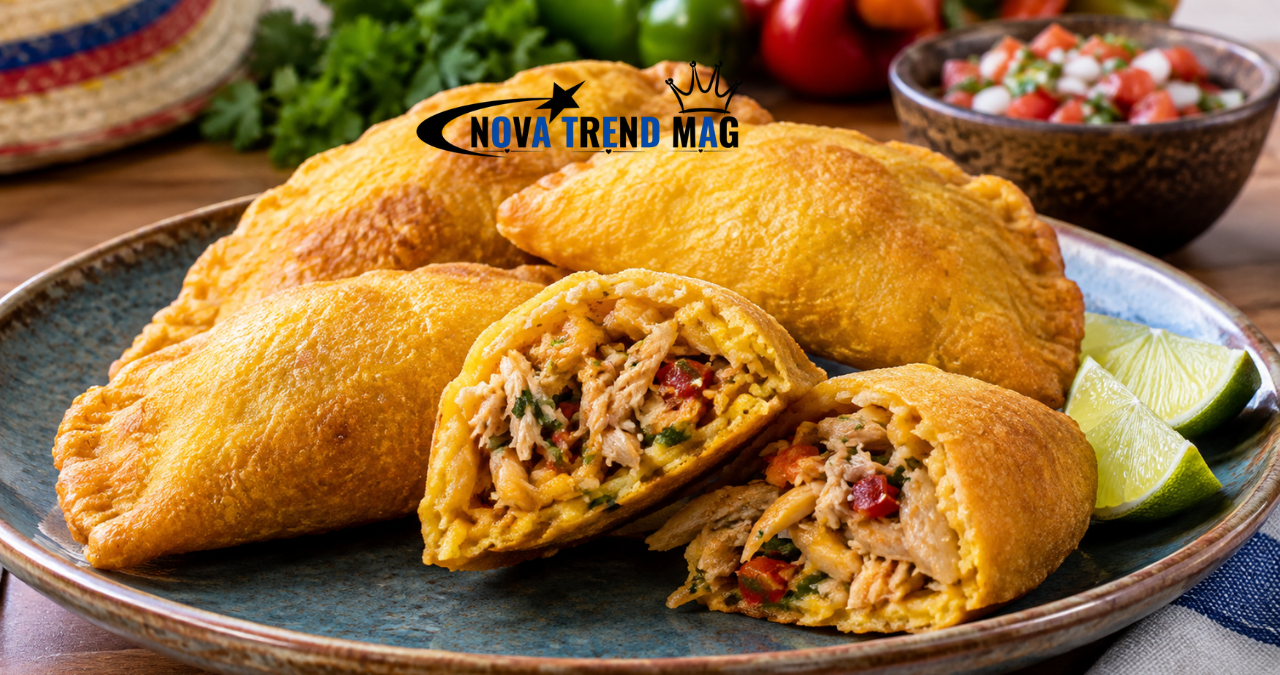

Searching for the best empanadas de cazón near me can turn a simple food craving into an exciting culinary discovery. Empanadas de cazón are known for their flavorful seafood filling, crisp exterior, and strong connection to coastal Latin American cooking. Made with seasoned cazón, a type of small shark commonly used in regional cuisine, these empanadas offer a distinctive alternative to the more familiar beef, chicken, or cheese varieties.
Finding an excellent version locally is not simply about choosing the closest restaurant. The quality of the fish, freshness of the ingredients, seasoning, dough, cooking technique, and regional style can all affect the final experience. Some places prepare their empanadas with a delicate seafood filling, while others use stronger spices, vegetables, herbs, or traditional sauces to create a more pronounced flavor.
Whether you are discovering this dish for the first time or already enjoy Venezuelan, Caribbean, or Latin American cuisine, understanding what makes a good empanada de cazón can make your local search much easier. This guide explores the dish’s background, defining characteristics, preparation methods, flavor profile, restaurant-selection tips, regional differences, modern trends, and frequently asked questions.
What Are Empanadas de Cazón?
Empanadas de cazón are savory stuffed pastries prepared with a dough shell and a seasoned cazón filling. The dough is generally shaped around the cooked fish mixture before the empanada is fried or, in some variations, baked. The result is a handheld food with a crunchy or tender exterior surrounding a flavorful seafood center.
Cazón is particularly associated with coastal cuisines where seafood has historically been an important part of everyday cooking. Depending on the region and recipe, the fish may be cooked and shredded before being combined with ingredients such as onions, peppers, garlic, herbs, tomatoes, or other seasonings.
One reason these empanadas stand out is their balance. The exterior can provide a crisp texture, while the filling remains moist, savory, aromatic, and rich. A well-prepared version should allow the seafood to remain recognizable without becoming overwhelmingly fishy.
When people search for the best empanadas de cazón near me, they are usually looking for more than convenience. They want a memorable combination of freshness, texture, seasoning, and authentic preparation.
The Cultural Background of Empanadas de Cazón
Empanadas have a long culinary history across Spain, Latin America, and other regions influenced by Spanish cooking traditions. Over time, different communities adapted the basic concept according to local ingredients, cooking methods, and cultural preferences.
In coastal parts of Latin America, seafood naturally became an important filling. Cazón developed a particularly strong association with certain Venezuelan and Caribbean food traditions. In these areas, seafood-based empanadas can be part of everyday meals, family gatherings, street-food culture, and regional celebrations.
The history of empanadas de cazón is therefore connected to a broader story of adaptation. A basic stuffed pastry became a vehicle for showcasing ingredients that were locally available. Instead of treating the empanada as a single standardized dish, cooks developed versions reflecting the flavors of their communities.
This regional identity is one reason two restaurants can serve empanadas de cazón that look similar but taste noticeably different. Their recipes may reflect family traditions, local seasoning preferences, or the culinary heritage of the cooks.
Why Empanadas de Cazón Are So Popular
The popularity of empanadas de cazón comes from several qualities that make them appealing as both a snack and a complete meal. Their compact size makes them convenient, while their filling provides enough flavor and substance to feel satisfying.
Seafood lovers often appreciate the dish because it offers a more interesting alternative to standard meat fillings. The combination of flaky or shredded fish, aromatic seasoning, and crisp dough creates a texture and flavor experience that is different from many common pastries.
Another factor is versatility. Empanadas de cazón can be served as breakfast, lunch, dinner, an afternoon snack, or part of a larger spread. They can also be paired with sauces, salads, plantains, rice, or other regional dishes.
For people exploring Latin American cuisine, they can also provide an introduction to coastal culinary traditions without requiring a complicated formal meal.
What Makes the Best Empanadas de Cazón Near Me Stand Out?
When searching locally, several qualities can help distinguish an excellent empanada from an average one. The first is the quality of the filling. Fresh, properly prepared fish should have a clean seafood aroma and a pleasant texture.
The seasoning is equally important. Cazón has a relatively distinctive character, but excessive seasoning can overwhelm it. A balanced recipe allows the fish and supporting ingredients to work together rather than allowing one flavor to dominate everything else.
The dough also deserves attention. A good empanada should have a shell that complements the filling. If the dough is excessively thick, it can hide the seafood. If it is too thin or poorly sealed, the filling may escape during cooking.
Texture is another important consideration. Fried empanadas generally have a crisp exterior, while baked versions can offer a lighter and softer finish. Neither approach is automatically better; the ideal choice depends on personal preference and the recipe itself.
Finally, temperature matters. An empanada served fresh and properly cooked usually provides a better texture and aroma than one that has been sitting for a long period.
How to Find the Best Empanadas de Cazón Near You
Finding a good local restaurant begins with understanding what to search for. Instead of searching only for the exact phrase “best empanadas de cazón near me,” it can be useful to explore restaurants specializing in Venezuelan, Caribbean, coastal Latin American, or regional seafood cuisine.
Restaurant menus can provide useful clues. If a menu includes several traditional seafood dishes and regional specialties, there may be greater attention to the preparation of cazón. Customer photographs can also sometimes reveal whether the empanadas have the shape, size, and texture you prefer.
Reviews may offer additional information, particularly when several customers independently mention freshness, crispness, seasoning, or generous filling. However, individual opinions naturally differ, so it is better to look for repeated patterns rather than relying on a single comment.
Location is another practical consideration. A restaurant farther away may have a stronger reputation, but freshly prepared empanadas can sometimes be more enjoyable when eaten shortly after cooking. For this reason, the closest suitable specialist may sometimes be a convenient option.
Freshness Matters More Than Many People Realize
Seafood-based foods depend heavily on ingredient quality and proper handling. Cazón should be prepared carefully so that the filling has a clean, appetizing flavor and appropriate texture.
When evaluating a restaurant, freshness can sometimes be noticed through aroma, appearance, and texture. A properly prepared seafood filling should not have an unpleasant or excessively strong odor. The mixture should also be moist without becoming watery.
Freshly cooked empanadas generally have a more appealing exterior. The dough should retain its intended texture instead of becoming excessively soft from moisture or storage.
This is one reason local food searches can benefit from choosing establishments that prepare their products regularly rather than relying heavily on long storage periods.
Fried Versus Baked Empanadas de Cazón
One of the most noticeable differences between empanada styles is the cooking method. Fried empanadas are traditionally associated with a crisp exterior and rich texture. The hot oil quickly cooks the dough, creating a golden shell around the seafood filling.
Baked empanadas provide a different experience. Their exterior may be lighter, less oily, and somewhat softer or more bread-like depending on the dough recipe. Some diners prefer this approach because it allows the seafood filling to become the main focus.
When searching for the best empanadas de cazón near me, it is useful to check whether local restaurants offer both styles. Trying different versions can help you understand which preparation best suits your preferences.
What Does Cazón Taste Like?
Cazón has a seafood flavor that can vary depending on freshness, preparation, and the specific species being used. In traditional recipes, the fish is usually seasoned and combined with aromatic ingredients that create a rich filling.
The finished empanada often tastes savory, mildly salty, aromatic, and satisfying. Depending on the recipe, you may notice onion, garlic, herbs, peppers, tomato, or other regional seasonings alongside the fish.
A successful preparation should create harmony rather than allowing the fish to taste excessively strong. The dough also contributes to the overall experience by adding a mild grain-based flavor and contrasting texture.
Common Ingredients Used in Empanadas de Cazón
Although recipes differ between families and regions, the filling commonly centers on cooked and shredded cazón. Aromatic ingredients can include onions, garlic, peppers, herbs, and other vegetables.
The dough is often based on ingredients such as corn flour or other flour varieties, depending on the regional tradition. Seasonings may vary considerably, giving each restaurant its own flavor profile.
Some versions are served with sauces that add acidity, heat, herbs, or creaminess. These accompaniments can transform the eating experience without changing the fundamental identity of the empanada.
The variety of ingredients is one reason comparing local versions can be enjoyable. A traditional recipe may taste completely different from a modern interpretation while still retaining the essential character of the dish.
The Importance of the Dough
The filling may receive most of the attention, but the dough determines much of an empanada’s physical character. It needs to be strong enough to contain the filling while remaining pleasant to eat.
A well-made shell should not overpower the seafood. Instead, it should provide a complementary texture and subtle flavor. For fried versions, the ideal exterior is often crisp without being excessively hard or greasy.
Thickness is also important. Too much dough can make the empanada feel heavy. Too little can make it fragile. Skilled preparation involves finding a balance that protects the filling while keeping the pastry enjoyable.
Regional Differences in Empanadas de Cazón
Latin American food is highly regional, and empanadas de cazón are no exception. Different communities may use different spices, vegetables, dough styles, and cooking techniques.
In some places, the filling may be relatively mild and focused on the fish. In others, stronger seasoning and aromatic vegetables can create a bolder profile.
The shape can vary as well. Some empanadas are small and compact, while others are larger and designed to serve as a more substantial meal. Cooking traditions may also determine whether the empanada is primarily fried or baked.
These differences should not necessarily be treated as inconsistencies. They demonstrate how traditional foods evolve as they move between communities and generations.
Empanadas de Cazón as Street Food
Street food plays an important role in the popularity of empanadas. Their portable format makes them especially suitable for busy environments, markets, food stalls, casual restaurants, and takeaway counters.
A freshly fried empanada can be eaten without elaborate utensils, making it convenient for people who want a quick meal without sacrificing flavor.
This portability has helped empanadas become familiar far beyond their original regional contexts. As Latin American cuisine continues to gain international attention, dishes such as seafood empanadas are increasingly being introduced to new audiences.
How to Enjoy Empanadas de Cazón
There is no single correct way to eat an empanada de cazón. Some people enjoy it immediately after cooking, when the exterior is crisp and the filling is warm.
Others prefer pairing it with a sauce or side dish. Acidic sauces can provide contrast to the savory filling, while spicy accompaniments can add another layer of flavor.
A fresh salad, plantains, rice, or other regional sides can turn several empanadas into a complete meal. For a lighter experience, one empanada can work well as a snack.
The most important factor is balance. Strong sauces should complement rather than completely cover the taste of the seafood.
Health and Nutritional Considerations
Empanadas can vary considerably in nutritional composition depending on their size, dough, filling, cooking method, and portion size. Cazón itself provides protein, while additional ingredients contribute different nutrients.
Fried versions generally contain more fat than baked versions because the dough absorbs some cooking oil. However, the overall nutritional profile depends on the recipe and portion.
People who are monitoring their dietary intake can consider baked versions, smaller portions, or pairing the empanada with vegetables. Anyone with seafood allergies or dietary restrictions should always confirm the ingredients before eating.
Food safety is especially important with seafood. Proper refrigeration, cooking, storage, and handling are essential for maintaining quality and reducing foodborne illness risks.
What to Look for in Restaurant Reviews
Restaurant reviews can be useful when searching for the best empanadas de cazón near me, but they should be interpreted carefully. A single enthusiastic or negative review does not necessarily represent the restaurant’s overall quality.
Instead, look for repeated observations. If many customers independently mention fresh seafood, crisp dough, generous filling, or consistent flavor, those patterns may provide useful information.
Timing can matter too. A restaurant may receive different feedback during busy periods compared with quieter hours. Reviews that discuss both food quality and service can give a broader understanding of the dining experience.
Photos can also help you compare portion size and presentation, although appearance alone cannot determine taste.
Traditional Versus Modern Empanadas de Cazón
Traditional recipes tend to emphasize familiar ingredients and established preparation methods. Their goal is often to preserve a regional flavor associated with family cooking and cultural heritage.
Modern restaurants may experiment with presentation, dough varieties, sauces, or seasoning combinations. Some chefs may incorporate contemporary techniques while retaining cazón as the central ingredient.
Neither approach needs to replace the other. Traditional versions preserve culinary history, while creative versions demonstrate how food traditions continue to evolve.
For diners, this creates an opportunity to try different interpretations and discover which style they enjoy most.
Why Local Food Searches Are Becoming More Specific
Modern diners increasingly search for very specific dishes instead of simply searching for broad restaurant categories. Someone looking for seafood may not want just any seafood restaurant; they may specifically want a traditional empanada filled with cazón.
This shift has made highly specific food searches increasingly valuable. Search phrases such as best empanadas de cazón near me reflect a desire for immediate, relevant recommendations based on a particular craving.
Restaurants that clearly describe regional dishes and ingredients can make it easier for customers to discover them. At the same time, diners benefit from learning the terminology associated with the foods they want to try.
Tips for Ordering Empanadas de Cazón
When ordering, ask whether the empanadas are prepared fresh or reheated. Fresh preparation can make a significant difference in texture.
It can also be helpful to ask about the cooking method. If you prefer a crisp and traditional style, fried empanadas may appeal to you. If you prefer a lighter texture, a baked option may be more suitable.
If sauces are available, consider asking which accompaniment is traditionally served with the dish. This can provide a more complete regional experience.
For a first visit, ordering a modest portion can also make sense. Once you discover the restaurant’s style, you can decide whether you want to order more or explore other menu items.
Common Mistakes When Choosing a Restaurant
One common mistake is selecting a restaurant based only on proximity. The closest place is convenient, but convenience does not necessarily indicate specialization or consistency.
Another mistake is assuming that every seafood empanada is an empanada de cazón. Different restaurants may use tuna, shrimp, white fish, or other seafood. If cazón is important to you, confirm the filling before ordering.
It is also easy to focus entirely on the filling and overlook the dough. An excellent filling can still be disappointing if the pastry is excessively greasy, thick, dry, or poorly cooked.
Finally, expecting every regional version to taste identical can lead to unrealistic comparisons. Traditional foods naturally vary from one cook and community to another.
Frequently Asked Questions About Empanadas de Cazón
What are empanadas de cazón made of?
Empanadas de cazón are generally made from a dough shell filled with cooked, seasoned, and shredded cazón. Depending on the recipe, the filling can include onions, garlic, peppers, herbs, tomatoes, and other seasonings.
Where are empanadas de cazón especially associated with?
They are strongly associated with coastal Latin American and Caribbean culinary traditions, particularly Venezuelan cuisine. Regional recipes can differ significantly in ingredients and preparation.
Are empanadas de cazón usually fried?
Many traditional versions are fried, creating a crisp exterior. However, baked variations are also available, especially in restaurants offering contemporary or lighter preparations.
What should a good empanada de cazón taste like?
A good version should have a balanced seafood flavor, flavorful seasoning, and a pleasant contrast between the exterior and filling. The fish should not have an unpleasant or excessively strong odor.
Can empanadas de cazón be eaten as a full meal?
Yes. Depending on size and portion, they can function as a snack or as part of a complete meal. Pairing them with vegetables, rice, plantains, or other sides can make the meal more substantial.
How can I find the best empanadas de cazón near me?
Search for restaurants specializing in Venezuelan, Caribbean, or coastal Latin American cuisine and check whether they specifically list cazón empanadas. Reviews, menu descriptions, food photographs, and comments about freshness can help you compare options.
Are baked empanadas healthier than fried ones?
Baked versions can contain less fat than fried versions, but nutritional value depends on the complete recipe, ingredients, portion size, and preparation method. They should not automatically be considered healthier without considering those factors.
Can the recipe vary from restaurant to restaurant?
Absolutely. Differences in seasoning, dough, filling proportions, cooking technique, and regional traditions can make two empanadas de cazón taste quite different.
The Future of Empanadas de Cazón
As interest in regional Latin American cuisine continues to expand, dishes such as empanadas de cazón have opportunities to reach new audiences. Restaurants can introduce traditional recipes to diners who may have never encountered cazón before.
At the same time, increased culinary experimentation may create new interpretations. Chefs can explore alternative doughs, modern sauces, different presentation styles, and complementary ingredients while maintaining the seafood filling at the heart of the dish.
The most interesting future for this food is likely to involve both preservation and experimentation. Traditional preparation keeps the cultural identity alive, while thoughtful innovation can introduce the dish to new generations.
Conclusion
Finding the best empanadas de cazón near me is ultimately about discovering the combination of flavor, freshness, preparation, and cultural tradition that suits your preferences. These seafood-filled pastries offer much more than a convenient snack. They represent a culinary tradition shaped by coastal communities, local ingredients, family recipes, and generations of cooking knowledge.
A truly satisfying empanada de cazón should bring together a well-prepared filling, balanced seasoning, appealing texture, and properly cooked dough. Whether you prefer a crisp fried shell or a lighter baked version, exploring different restaurants can reveal how dramatically one traditional dish can vary.
The next time a craving for seafood empanadas appears, look beyond simple distance. Consider the restaurant’s culinary focus, preparation style, freshness, customer feedback, and the ingredients used. With a little exploration, the search for the best empanadas de cazón near me can become an opportunity to discover an authentic and memorable part of Latin American food culture.